
In today’s highly competitive beauty and personal care market, product performance alone rarely defines brand success. Instead, packaging increasingly acts as a silent yet powerful brand statement. Among daily-use beauty essentials, cotton cosmetic pads occupy a unique position. They are simple, functional, and repeatedly used, which makes them an ideal medium for reinforcing brand identity through thoughtful design. Collaborating with a Custom Packaging Square Cotton Cosmetic Pads Manufacturer allows brands to transform an everyday item into a carefully curated touchpoint that communicates quality, values, and aesthetic direction without words.
Square cotton cosmetic pads, in particular, offer a visual departure from traditional round formats. Their geometric shape creates stronger shelf recognition and enables more structured packaging layouts. When combined with custom packaging, square pads provide brands with an expanded canvas for storytelling, from minimalist skincare concepts to premium, high-capacity household solutions.
Strategic Alignment Between Pack Size and Usage Frequency
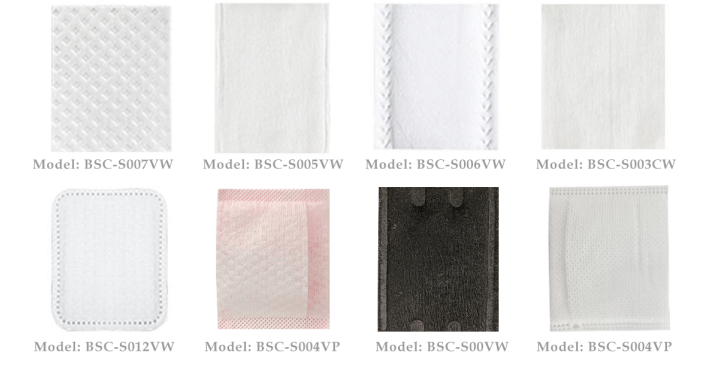
One of the first design decisions in custom branding involves selecting the right capacity for the intended consumer scenario. Cotton pads are not one-size-fits-all products, and packaging volume plays a strategic role in positioning. Industry examples such as 222-sheet packs and 720-piece bulk packs highlight how capacity influences perception and purchasing behavior.
Smaller packs or mid-range quantities often serve as entry-level or trial-focused products. These formats appeal to new customers seeking a controlled introduction to a brand. Compact packaging emphasizes portability, cleanliness, and refinement, which helps establish trust during the first interaction. For emerging skincare labels, this approach supports premium positioning while managing production risk.
In contrast, large-capacity packaging targets high-frequency users and family-oriented households. A 720-piece bag, for instance, visually communicates value and reliability. Consumers associate larger packs with cost efficiency and long-term use, which naturally encourages repeat purchases. When designed well, bulk packaging does not dilute brand image. Instead, it reinforces a sense of transparency and practicality, especially in skincare routines that prioritize consistency.
Balancing these two approaches allows brands to segment their product lines effectively while maintaining a cohesive visual identity across different usage scenarios.
Material Aesthetics and the Sensory Experience of Packaging
Beyond quantity, packaging design must consider tactile and visual interaction. Cotton pads are often evaluated subconsciously through touch before use, and packaging plays a key role in shaping that experience. Opening resistance, extraction smoothness, and material texture all influence how consumers perceive professionalism and quality.
Packaging options such as drawstring bags, flip-top boxes, and transparent minimalist pouches each communicate different brand values. A drawstring bag offers flexibility and a casual, lifestyle-oriented image. Flip-top boxes emphasize order, hygiene, and controlled dispensing, making them popular in structured skincare routines. Transparent packaging highlights product purity and honesty, allowing the cotton pad texture to speak for itself.
Square cotton cosmetic pads add another layer to this sensory experience. Their clean edges align naturally with structured packaging designs, reducing wasted space and improving stacking efficiency. As a result, packaging feels intentional rather than decorative, which resonates with consumers seeking functional beauty tools.
Product Design as an Extension of Brand Values
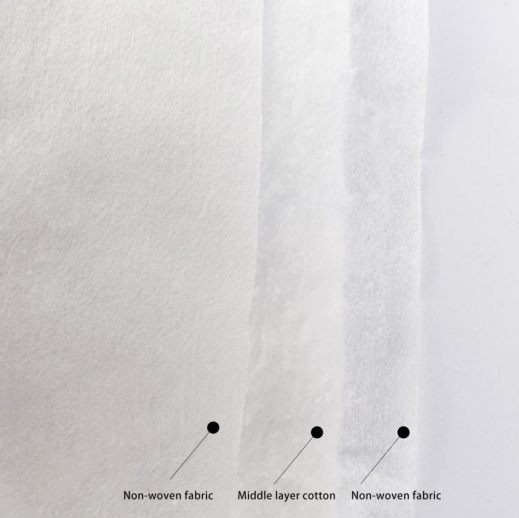
Custom branding extends beyond packaging into the cotton pad itself. Square pads can be produced with multi-layer structures that balance softness and durability. Nonwoven surface layers support strength and lint control, while cotton cores enhance absorption and skin comfort. These design choices influence how well the pad performs during makeup removal, toner application, or skincare cleansing.
When brands align pad structure with packaging design, the product communicates consistency. A clean, minimalist package paired with a smooth, lint-free pad reinforces a message of precision and care. Conversely, a soft, feminine design aesthetic benefits from plush textures and gentle embossing patterns. These details may appear subtle, but they shape long-term brand perception through repeated use.
Flexible Manufacturing as a Design Safety Net
Creative packaging concepts often require technical support to move from idea to shelf. Manufacturing flexibility becomes a form of design insurance, especially during early-stage product development. Shenzhen Profit Concept International Company Ltd., invested by Guangdong Little Cotton Nonwoven Products Co., Ltd., was established in 2015 and operates a production facility covering approximately 28,000 square meters. With more than 200 employees and over 20 years of industry experience within its investment background, the company supports a wide range of disposable nonwoven products, including cotton pads, cotton tissues, and other personal care essentials.
This scale enables rapid adjustments in packaging specifications, printing accuracy, and material selection. Automated production lines support precise logo placement, consistent color reproduction, and experimentation with eco-friendly inks and recyclable packaging materials. As a result, brands gain room to refine their designs without facing excessive production risk or extended lead times.
From Concept to Shelf: Integrated Supply Chain Support
Custom packaging involves more than visual design. Logistics, compliance, and delivery timing all affect how quickly a branded product reaches the market. Integrated supply chain services streamline this process by coordinating equipment, materials, packaging, transportation, and customs clearance under one operational framework.
For international brands, this integration reduces friction during cross-border distribution. Clear timelines and predictable delivery schedules support product launches and promotional campaigns. In addition, consistent packaging standards across shipments help maintain brand integrity in different regions, which is critical for long-term growth.
Sustainability as Part of Modern Branding
Sustainability considerations increasingly influence packaging decisions in the beauty industry. Consumers expect brands to minimize unnecessary materials while maintaining hygiene and usability. Square cotton cosmetic pads support this goal by optimizing space efficiency, which reduces excess packaging volume. When paired with recyclable or responsibly sourced packaging materials, the overall environmental footprint becomes more manageable.
Manufacturers that offer material transparency and alternative packaging options allow brands to align sustainability messaging with actual product design. This alignment strengthens credibility and avoids superficial claims that fail under scrutiny.
Conclusion: Turning Packaging into Brand Equity
Custom packaging for square cotton cosmetic pads represents more than an aesthetic upgrade. It functions as a strategic branding tool that shapes perception, supports product segmentation, and encourages loyalty through repeated daily use. By aligning pack size, material choice, tactile experience, and supply chain capabilities, brands can convert simple cotton pads into recognizable brand assets.
Working with an experienced manufacturer that offers flexible OEM solutions and integrated services allows beauty brands to focus on creative direction while maintaining operational stability. Over time, this balance between design and execution contributes to stronger pricing power and clearer brand positioning. Additional information about product options and manufacturing capabilities is available at https://www.bowinscare.com/.
Post time: Feb-01-2026