
In the modern consumer landscape, a wet wipe represents far more than a simple cleaning tool; it serves as a critical touchpoint between a brand and its customers. As global hygiene standards evolve, the demand for customized, eco-friendly, and skin-safe non-woven products has surged. Businesses looking to enter or expand within this space must navigate a complex web of manufacturing standards and material sciences. Choosing the right partner involves evaluating technical capabilities, ingredient safety, and the ability to scale production. For organizations seeking a reliable OEM/ODM Non-Woven Fabric Disposable Wet Wipes Supplier or a specialized wet wipe manufacturer, the decision hinges on finding a supplier that balances industrial capacity with meticulous quality control.
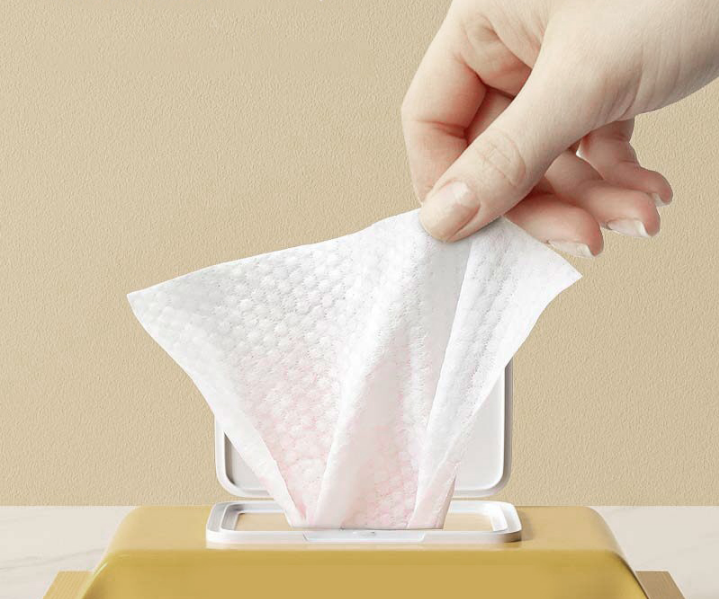
The Foundation of Safety: EDI Pure Water Systems
When evaluating a supplier for wet wipe manufacturing, the purity of the liquid solution serves as the primary benchmark for product safety. Standard tap water or basic filtered water often contains trace minerals and microorganisms that can compromise the shelf life of the product or irritate sensitive skin. High-tier manufacturers, such as Shenzhen Profit Concept International (operating under the Bowins Care brand), utilize EDI (Electrodeionization) pure water systems to mitigate these risks.
The EDI process removes ions and organic impurities to a level far exceeding standard medical requirements. This technology ensures that the primary ingredient in wet wipes—water—is chemically pure and biologically stable. For businesses focusing on the baby care sector, this level of purity is non-negotiable. Pure water wipes with minimal chemical additives protect the delicate skin barrier of infants, reducing the risk of diaper rash and allergic reactions. A supplier’s investment in sophisticated water purification hardware reflects a broader commitment to pharmaceutical-grade production environments.
Strategic Diversification Across High-Growth Verticals
A versatile ODM should offer more than just a single product line; they must provide solutions tailored to specific market segments. Modern consumption patterns show significant growth in three distinct areas: travel-ready cosmetics, maternal and infant health, and the burgeoning pet care economy. Each of these sectors requires a unique approach to non-woven fabric selection and formulation.
In the beauty and personal care industry, convenience drives purchasing decisions. Single-package makeup remover wipes have become a staple for travelers and fitness enthusiasts. These individually wrapped wipes prevent the solution from drying out and maintain a sterile environment for each use. From a manufacturing perspective, this requires high-precision packaging machinery that can handle high volumes without compromising the seal integrity. By offering these portable solutions, brands can capture the “on-the-go” demographic effectively.
The baby care market remains the most scrutinized segment of the non-woven industry. Beyond the aforementioned EDI water purity, the physical texture of the fabric plays a vital role. Suppliers now offer ultra-soft, embossed non-woven materials that provide superior cleaning power while remaining gentle. Brands often seek low-MOQ (Minimum Order Quantity) options for these premium water wipes to test market receptivity before committing to massive inventories. This flexibility allows smaller enterprises to compete with established household names by focusing on niche, high-quality formulations.
Parallel to human hygiene, the pet care sector has emerged as a high-margin opportunity. Disposable non-woven towels for dogs and cats solve a major pain point for pet owners regarding post-bath cleanup or muddy paws. These products require larger dimensions and higher tensile strength than standard hand wipes. A supplier capable of producing heavy-duty, oversized non-woven towels demonstrates a deep understanding of material durability and cross-industry applications. This breadth of production allows a business to consolidate its sourcing, moving from facial pads to large-scale pet towels under a single manufacturing partner.
Operational Excellence and Flexible Manufacturing
Navigating the transition from a product concept to a retail-ready item requires a supplier with comprehensive logistical and technical support. Shenzhen Profit Concept International, backed by the extensive resources of Guangdong Little Cotton Nonwoven Products Co., Ltd., exemplifies the industrial scale necessary for global distribution. With a facility spanning 28,000 square meters and over two decades of industry experience, the company provides a robust infrastructure for high-volume orders.
The true value of a modern OEM partner lies in their “one-stop” service model. This encompasses everything from the initial formula development and material selection to packaging design and customs clearance. For international buyers, the complexities of transportation and import regulations often pose significant barriers. A manufacturer that manages the entire lifecycle—including equipment sourcing, material procurement, and final logistics—removes these hurdles. This holistic approach ensures that the finished products arrive at their destination ready for the shelf, allowing the brand owner to focus entirely on marketing and sales.
Furthermore, the integration of flexible manufacturing allows for lower entry barriers. While many large factories only accept massive orders, the shift toward supporting startups via low-MOQ options has become a competitive advantage. This democratization of manufacturing means that a brand can launch a specialized line of EDI pure water wipes or organic cotton pads without the financial risk of overstocking. Addressing common concerns through transparent communication and a clear FAQ framework helps build the trust necessary for long-term partnerships.
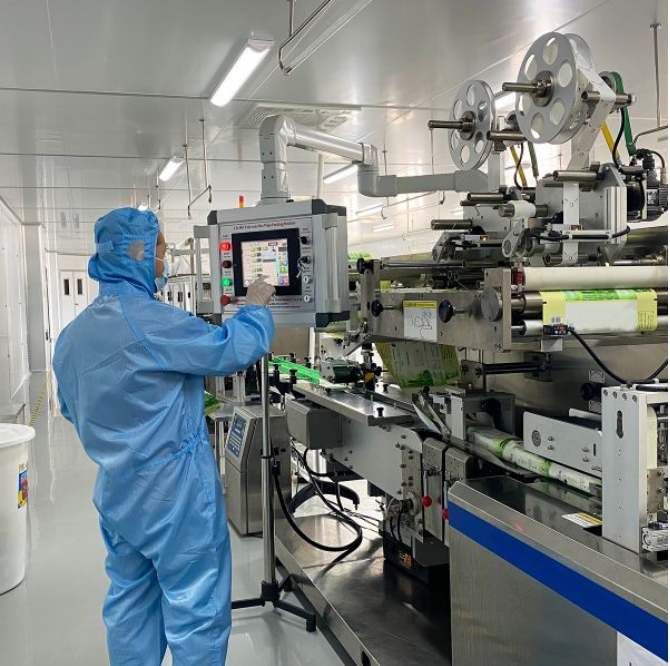
Technical Expertise in Non-Woven Substrates
The choice of fabric is the final piece of the quality puzzle. The industry is moving away from synthetic blends toward more sustainable, biodegradable options like 100% cotton or plant-based fibers. Suppliers with 200 plus employees and specialized R&D departments can advise businesses on the optimal “GSM” (grams per square meter) for their specific application. Whether it is a lightweight facial wipe or a heavy-duty industrial cleaning cloth, the fabric’s absorbency and lint-free properties are determined during the early stages of production planning.
Established players in the Shenzhen and Guangdong regions have refined these processes over decades. Their expertise extends beyond wet wipes to include compressed towels, disposable bed sheets, and even disposable underwear. This cross-category knowledge ensures that the non-woven material used in a makeup remover wipe is optimized for liquid retention, while the material used in a bath towel is optimized for quick drying and skin comfort.
Conclusion: Aligning Brand Value with Manufacturing Reality
A brand’s reputation is only as strong as its weakest link in the supply chain. In the competitive world of disposable hygiene products, the manufacturer acts as the silent guardian of that reputation. By prioritizing suppliers that utilize EDI pure water technology and offer diverse ODM capabilities across beauty, infant, and pet sectors, businesses can ensure their products meet the highest safety standards.
The synergy between large-scale capacity and flexible, one-stop service allows companies to scale efficiently. Partnering with an experienced entity like Bowins Care provides the technical foundation needed to turn a creative vision into a market-leading product. As the global market continues to favor transparency and quality, the choice of an OEM partner becomes the most significant investment a business can make in its future growth.
For more information on customized non-woven solutions and comprehensive manufacturing services, visit: https://www.bowinscare.com/.
Post time: Jan-30-2026