0%

In today’s whirlwind of a world, picking the right materials can really make a big difference across different industries. You’ve probably heard about nonwoven fabric roll stock—it's become pretty popular because it's so versatile and useful for tons of applications. This fabric has some pretty cool benefits, which is why a lot of manufacturers are choosing it more and more.

Basically, nonwoven fabric roll stock is lightweight but surprisingly tough. It’s used everywhere—from hygiene products like wipes and masks to parts in cars. The best part? Manufacturing it is pretty efficient, so companies can keep costs down. Big names like Georgia-Pacific and Ahlstrom-Munksjö are actually using this material to come up with some innovative stuff.

That said, it’s not all sunshine and rainbows. You’ve gotta be careful because not all nonwoven fabrics are created equal. The quality can really vary, and that can affect how well they perform. Plus, sustainability is becoming a major concern — industries need to think about the impact of their choices. In the end, going for high-quality nonwoven fabric roll stock is probably the smarter move if you want good results down the road.
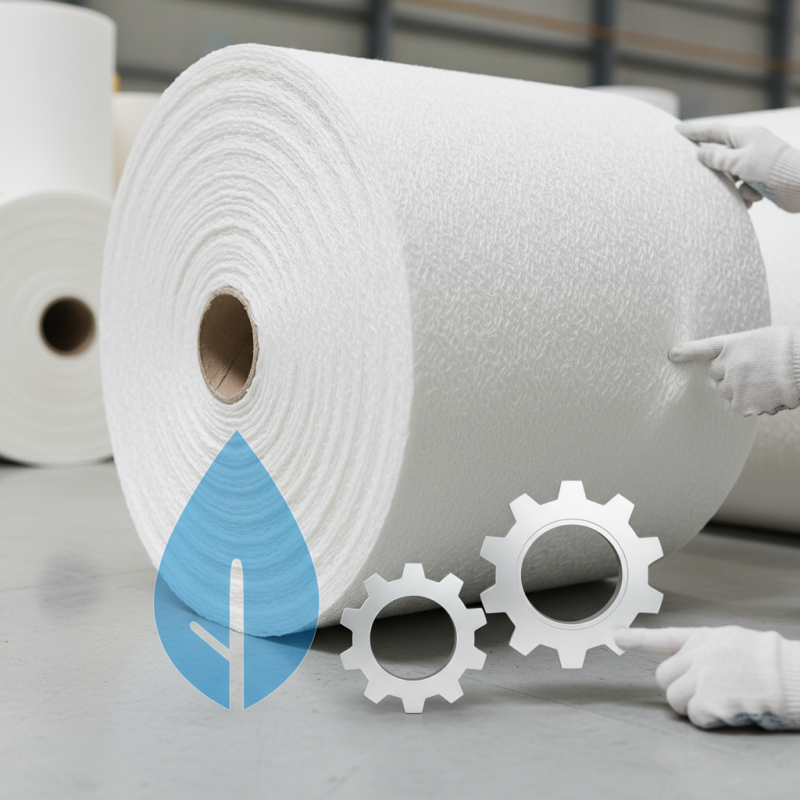
Top 10 Benefits of Nonwoven Fabric Roll Stock for Your Needs?

Overview of Nonwoven Fabric and Its Applications

Nonwoven fabrics are versatile materials made from synthetic or natural fibers. They are created by bonding or interlocking fibers together. This process results in a strong, durable product without weaving. Nonwoven fabrics find applications across various industries. They are commonly used in hygiene products, medical supplies, geotextiles, and even household items.

When considering nonwoven fabric roll stock, quality matters. Look for materials that are lightweight yet durable. It's important to assess the specific application to ensure suitability. Nonwoven fabrics can be engineered to meet specific needs, such as moisture resistance or UV protection. This adaptability makes them appealing to manufacturers.

Tips for selecting nonwoven fabric: always check for certifications that ensure safety standards. Consider the environment when choosing materials. Efficient use of roll stock can minimize waste. Experimenting with different weights and thicknesses can yield surprising results. Identify the features that matter most for your needs.
Key Advantages of Nonwoven Fabric Roll Stock

Nonwoven fabric roll stock offers various advantages. One significant benefit is its versatility. It can be used in numerous applications, including hygiene products, medical supplies, and filtration systems. According to a report from Smithers Pira, the global nonwoven fabric market is projected to reach $54 billion by 2027. This growth indicates the increasing demand for nonwoven materials across different sectors.

Another key advantage is the lightweight nature of nonwoven fabrics. They are easier to handle and transport. This can lead to reduced shipping costs. Additionally, nonwoven fabrics can be produced in various thicknesses and textures, making them suitable for diverse end-uses. Research shows that when compared to woven alternatives, nonwoven options can improve production efficiency. However, the environmental impact of manufacturing these fabrics continues to be a concern. Many industry experts urge for advancements in sustainability.

Moreover, nonwoven fabric roll stock can be engineered for specific functions, such as moisture resistance or breathability. This adaptability can enhance product performance. Yet, it's essential to reflect on the recycling challenges associated with nonwoven materials. Many of them are not widely recycled, which complicates waste management efforts. This highlights the need for better practices to ensure responsible usage and future sustainability.

Top 10 Benefits of Nonwoven Fabric Roll Stock

Cost-Effectiveness of Nonwoven Materials for Businesses

Top 10 Benefits of Nonwoven Fabric Roll Stock for Your Needs?

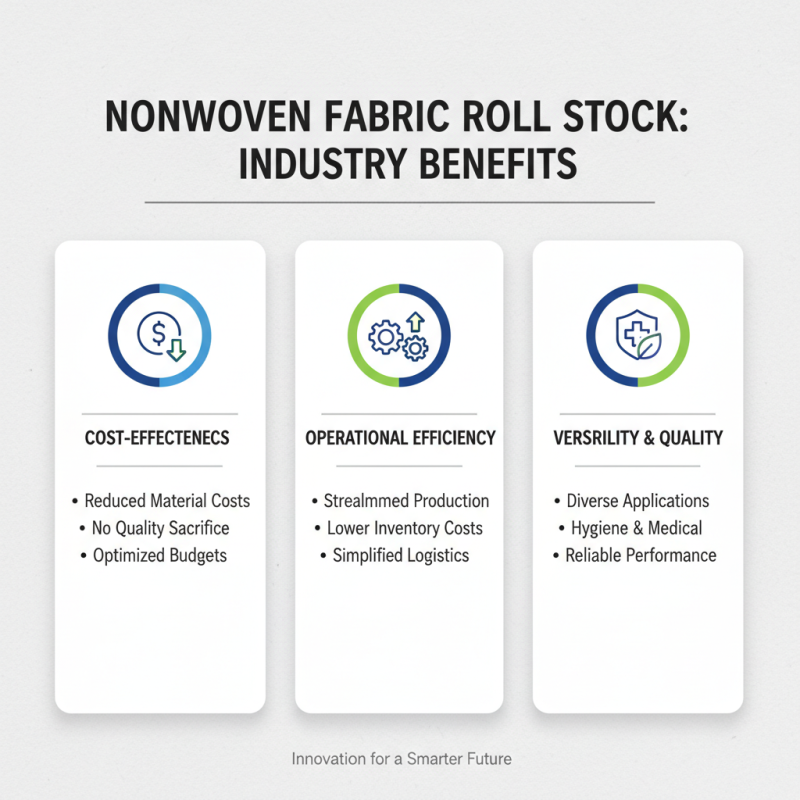
Nonwoven fabric roll stock is increasingly popular in many industries. One major advantage is its cost-effectiveness. Businesses benefit from reduced material costs without sacrificing quality. Nonwoven fabrics are versatile, used in various applications from hygiene products to medical supplies. This versatility allows companies to streamline their operations and reduce inventory costs.

When considering nonwoven materials, think about bulk purchasing. Buying in large quantities can lead to significant savings. Always compare suppliers to find the best deals. Each provider may offer different characteristics that could affect your production efficiency. Additionally, explore short lead times, as quicker access to materials can prevent delays in manufacturing.

Implementing nonwoven fabrics might require adjustments. Some companies struggle with material handling. Thus, proper training for staff is crucial. Employees should be aware of the specific requirements for working with nonwoven rolls. This knowledge can improve productivity and minimize waste. Balancing cost savings with operational efficiency is key to reaping the benefits of nonwoven materials.

Versatility of Nonwoven Fabrics in Various Industries

Nonwoven fabrics are changing the game in various industries. Their versatility makes them suitable for many applications, from healthcare to fashion. These materials can be engineered to meet specific needs, offering unique properties. For instance, they can be designed for filtration, insulation, or even aesthetic purposes. Companies are increasingly recognizing their benefits, but there is still much to explore.

In the healthcare sector, nonwoven fabrics are commonly used in surgical gowns and masks. They offer breathability and barrier protection. However, challenges remain regarding sustainability and disposal. The impact on the environment must be addressed as the industry expands. Meanwhile, in the fashion world, designers experiment with nonwoven fabrics to create sustainable collections. They provide a fresh alternative, but not all consumers are familiar with these innovations.

Despite the advantages, some may question durability. How well do nonwoven fabrics hold up over time? This varies with the type of fabric and its application. Experimentation and research are crucial to fully understand their long-term performance. The potential is vast, yet, like any material, it presents both opportunities and challenges.

Environmental Benefits of Using Nonwoven Fabric Roll Stock

Top 10 Benefits of Nonwoven Fabric Roll Stock for Your Needs?

Nonwoven fabric roll stock offers impressive environmental benefits. Its production typically requires less water and energy compared to traditional textile processes. A study by the Nonwoven Fabrics Industry Association reports that nonwoven fabrics can save up to 50% in energy usage. This reduction in resource consumption leads to lower carbon emissions.

In addition, nonwoven materials are often made from recyclable polymers. Many products can be recycled after use, contributing to a circular economy. The American Chemistry Council notes that up to 90% of nonwoven fabrics can be recycled. This feature helps reduce landfill waste.

Tip: Consider sourcing nonwoven products from manufacturers committed to sustainable practices. This choice amplifies the positive environmental impact. Moreover, always check for certifications that ensure eco-friendliness.

Using nonwoven materials can also minimize environmental hazards. Their production can generate less wastewater, enhancing water quality. However, challenges remain in managing disposal methods. While nonwoven fabrics are versatile, many consumers are unaware of proper recycling techniques.

Tip: Educate your team on the correct disposal of nonwoven items. This ensures that the environmental benefits are maximized and not diminished through waste.

Comparing Nonwoven Fabrics with Traditional Textiles

Nonwoven fabrics have gained popularity for many applications. However, traditional textiles still hold a significant place in the market. Nonwovens are made by bonding fibers together, making them distinct from woven materials. This process allows for high efficiency and versatile designs. For instance, they can be used in medical, hygiene, and industrial sectors.

In contrast, traditional textiles require extensive processing. They often involve securing threads through various means, consuming more time and resources. Nonwoven fabrics are generally lighter and more absorbent. This makes them ideal for disposable items, like masks and wipes. Yet, some people question their durability compared to woven fabrics. Traditional textiles may withstand everyday wear and last longer in some contexts.

However, the environmental aspect cannot be ignored. Nonwoven fabrics can sometimes be made from recycled materials. Traditional textiles, on the other hand, often rely on cotton or synthetic fibers, leading to waste issues. The choice between these two options often requires careful thought. Do you prioritize durability or sustainability? The answer may vary based on individual needs and preferences.

Top 10 Benefits of Nonwoven Fabric Roll Stock for Your Needs

Benefit Nonwoven Fabrics Traditional Textiles
Cost-Effectiveness Lower production costs Higher production costs
Lightweight Very lightweight and easy to handle Heavier and bulkier
Customization Easier to customize for specific applications Limited customization options
Eco-Friendly Often made from recycled materials Less often made from recycled content
Versatility Used in a wide range of applications More limited applications
Durability Highly durable and resistant to tearing May wear out faster
Breathability Good airflow for comfort Can be less breathable
Maintenance Easy to clean and maintain Often requires special care
Hygiene High hygiene levels, often disposable Can harbor bacteria over time
Performance Excellent performance in specific uses May not perform as well in all applications

Future Trends in Nonwoven Fabric Technology and Usage

Nonwoven fabric technology is evolving rapidly. New methods are changing the way we produce and use these materials. One trend is the rise of sustainable practices. Manufacturers are using recycled fibers more than ever. This shift helps reduce waste and meets consumer demand for eco-friendly products. As people become more aware of environmental issues, the demand for sustainable nonwoven fabrics is likely to grow.

Another trend is the innovation in production techniques. Processes are becoming faster and more efficient, but this isn't without challenges. Quality control remains a concern as speed increases. Manufacturers must balance production rates with maintaining high standards. Additionally, the versatility of nonwoven fabrics is expanding. They're being used in medical supplies, construction, and even fashion. However, understanding the long-term implications of these applications is crucial. The future will require ongoing research and adaptation to ensure safety and effectiveness. Nonwoven fabrics are not just materials; they are part of a larger conversation about sustainability and innovation.

FAQS

: What is the primary purpose of this service?

: The main purpose is to provide convenient access to various resources. It helps users find what they need easily.

How do I navigate the platform?

Users can explore categories displayed on the homepage. Clicking on sections leads to relevant content.

Is there a cost associated with using this service?

Access to basic features is usually free. Some premium features might require payment, though details vary.

Can I access this service on my mobile device?

Yes, the service is optimized for mobile use. It works smoothly on smartphones and tablets.

What should I do if I encounter issues?

If problems arise, try refreshing the page. Contact customer support if the issue persists for assistance.

How can I provide feedback about my experience?

Users are encouraged to share feedback via a form on the website. Your thoughts help improve the service.

Are there any age restrictions to use the platform?

Generally, users should be at least a certain age. This helps ensure a safe environment for everyone.

Can I share content from this service?

Sharing content may be allowed, but check the terms first. Respecting the original content is important.

How often is the content updated?

Content updates happen regularly. However, specific timings can vary based on the resource type.

What if I need more help than provided here?

For more assistance, consider accessing additional resources. Sometimes, personal research may lead to better answers.

Conclusion

Nonwoven fabric roll stock has emerged as a revolutionary material with numerous applications across various industries. Its key advantages include cost-effectiveness, versatility, and sustainability, making it an attractive choice for businesses seeking efficient solutions. Nonwoven fabrics are widely used in medical products, personal care items, and packaging due to their functionality and ease of use. The environmental benefits of using nonwoven fabric roll stock include reduced waste and the potential for recycling, which addresses growing concerns about sustainability in manufacturing processes.

Moreover, compared to traditional textiles, nonwoven fabrics offer unique characteristics such as enhanced breathability and lighter weight, which contribute to their increasing popularity. As technology evolves, future trends suggest further innovations in nonwoven fabric applications, reinforcing their significance in diverse sectors. Overall, nonwoven fabric roll stock presents a compelling opportunity for companies aiming to improve product performance while being mindful of costs and environmental impact.

Blog Tags:

    Ethan

    Ethan

    Ethan is a dedicated marketing professional with extensive expertise in the disposable nonwoven products industry. With a keen eye for detail and a passion for effective communication, he plays a pivotal role in showcasing the company's diverse offerings, including cotton pads, cotton tissues,......
    Previous How to Use Cotton Cosmetic Rounds Effectively for Skincare?