Leave Your Message
Let's be honest, wholesale disposables are pretty practical. When you run out of reusable stuff—whether it's a kitchen, clinic, hotel, or shipping operation—they're the thing that keeps everything from grinding to a halt. But here's the catch: just because the price is low doesn't mean you're getting a good deal. You really have to look at material strength, how many come in a pack, storage requirements, and whether your supplier is reliable. A flimsy napkin that rips right in front of a customer? That ends up costing you more in wasted product and wasted time.
Looking at the bigger picture, industry data really helps here. The OECD’s Global Plastics Outlook, for instance, puts global plastic waste at 353 million tonnes back in 2019—and only 9% of that got recycled. Now, that number isn’t exactly a direct read on how many disposable products are sold, but it does show why we should pay attention to what materials we choose and how we dispose of things. So, this report from Grand View Research on disposable tableware—it digs into demand across different product types and end-use sectors, which is pretty handy if you're trying to figure out where plates, cups, and cutlery fit into the bigger buying picture. That said, it's more like a compass than a rulebook. You still need to double-check local requirements and product specs yourself, because no report can cover everything.
Okay, so this guide walks you through ten product categories that are always in high demand—everything from Disposable Towels and food-service stuff to protective and cleaning supplies. And honestly, the small details matter way more than you'd think. Before you go placing a bulk order, double-check the absorbency, leak resistance, case dimensions, and what the material composition actually says. Take towels, for instance. That one that feels super soft in the sample? It might totally fall apart next to a busy wash station. So always ask for current specs and samples if you can. Honestly, not every supplier is crystal clear about what they're giving you—and that's something worth pushing back on. At the end of the day, the best pick balances reliable performance, reasonable landed cost, and responsible sourcing. But don't assume one towel fits every market. It doesn't work that way.
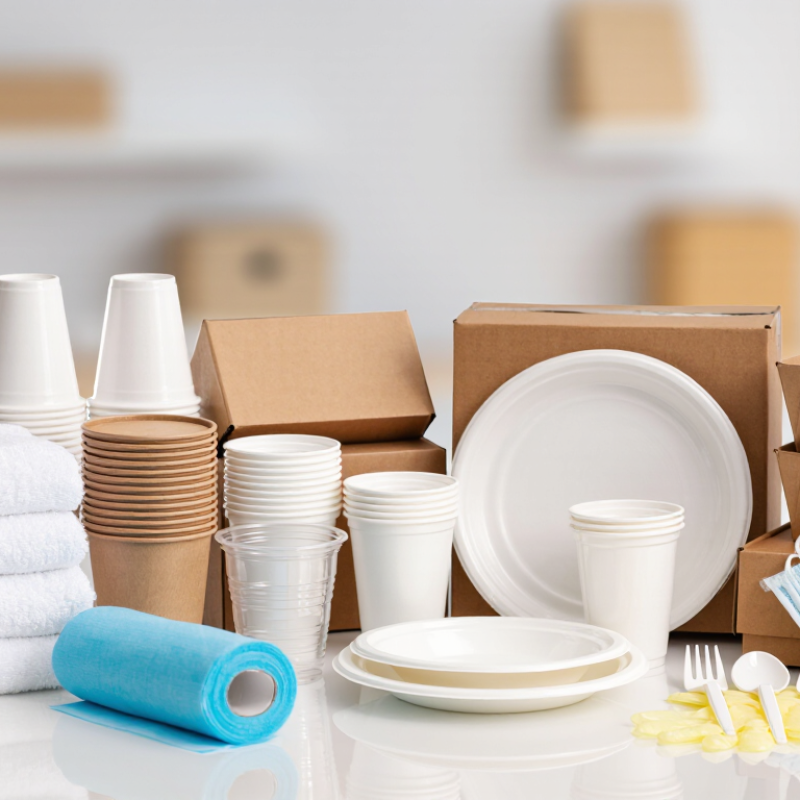
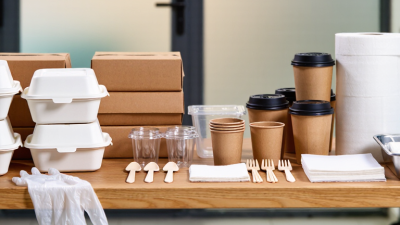
Wholesale disposable products, including food containers, paper cups, gloves, and cleaning wipes, help businesses restock frequently used goods in standard case quantities. Consistent packaging makes storage and replenishment more predictable. UNEP’s 2023 report, Turning off the Tap, estimates that packaging uses 36% of all plastics produced. It also reports that 85% of plastic packaging waste is landfilled or mismanaged. These figures concern plastic packaging, not every disposable material. Still, they show why purchasing decisions matter beyond the invoice.
In global trade, buyers compare more than unit prices. Case counts, carton strength, storage space, and delivery consistency all affect the landed cost. The OECD’s Global Plastics Outlook (2022) found that packaging accounted for 40% of global plastic waste in 2019. For importers, clear material and packing specifications are commercially relevant, not just environmental talking points. A low-cost bulk order can still lead to excess stock or damaged goods if cartons are weak. Results vary. Requesting samples and comparing freight cost per usable unit can help buyers judge value more accurately, though forecasts are never perfect.
Common product categories, materials, uses, and sourcing considerations for international wholesale purchasing. Specifications and regulatory requirements vary by product and destination market.
| Product category | Common materials | Typical wholesale applications | Buyer checks | Global trade considerations |
|---|---|---|---|---|
| 1. Paper cups | Paperboard, often with a polyethylene or other barrier lining | Coffee shops, catering, offices, events, and takeaway service | Capacity, rim diameter, leak resistance, lid fit, and food-contact documentation | Confirm local rules on single-use cups and packaging; barrier construction can affect recycling options. |
| 2. Molded-fiber food containers | Bagasse, recycled paper fiber, or other molded plant fibers | Takeaway meals, food delivery, cafeterias, and catering | Compartment layout, dimensions, grease and moisture resistance, and lid compatibility | Verify food-contact suitability and substantiate any compostability claims for the relevant market and disposal conditions. |
| 3. Disposable plates | Paperboard, molded fiber, or plastic, depending on local rules and use | Events, institutional catering, food service, and household retail | Diameter, load capacity, rigidity, coating, and intended food types | Check restrictions on single-use plastics and applicable food-contact requirements before importing. |
| 4. Disposable cutlery | Wood, paper, or plastics such as polypropylene; material availability varies by market | Takeaway meals, catering, travel, and institutional dining | Length, strength, smooth edges, packaging format, and material declaration | Single-use cutlery is restricted or regulated in some jurisdictions; confirm current destination rules. |
| 5. Paper napkins | Tissue paper made from virgin or recycled pulp | Restaurants, hotels, food service, events, and retail packs | Ply count, sheet size, absorbency, embossing, color, and pack quantity | Compare case volume and compression carefully, as bulky packs can affect shipping efficiency. |
| 6. Disposable refuse bags | High-density or low-density polyethylene; recycled content may be available | Commercial kitchens, offices, hospitality, cleaning, and household use | Bag dimensions, thickness, closure type, roll format, and load requirements | Check local rules for plastic bags, recycled-content claims, and required packaging labels. |
| 7. Nitrile disposable gloves | Synthetic nitrile rubber | Food handling, cleaning, laboratories, and healthcare settings, subject to intended use | Size range, thickness, powder status, cuff, tensile properties, and applicable test reports | Medical or protective claims can trigger specific regulatory requirements; verify classification and documentation in the destination market. |
| 8. Disposable medical masks | Nonwoven layers, commonly including spunbond and meltblown polypropylene | Healthcare and general-use settings according to product classification and local guidance | Fit, filtration and breathability test results, labeling, packaging, and intended use | Standards and market authorization requirements differ; verify claims and required conformity documents before shipment. |
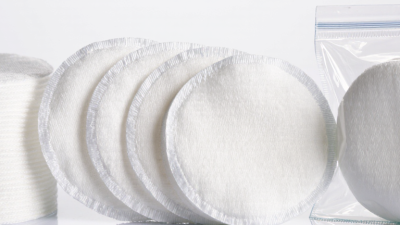
| 9. Nonwoven disposable wipes | Spunlace or other nonwoven fibers, supplied dry or pre-moistened | Cleaning, personal care, hospitality, and industrial maintenance | Sheet size, basis weight, absorbency, lotion ingredients, shelf life, and dispensing format | Pre-moistened products may be subject to ingredient, labeling, or chemical-product rules; assess transport and storage conditions. |
| 10. Aluminum foil food containers | Formed aluminum, sometimes supplied with a paperboard lid | Food preparation, takeaway meals, catering, and food storage | Capacity, dimensions, rim design, gauge, lid fit, and temperature-use instructions | Confirm food-contact compliance and check whether packaging, recycling, or labeling rules apply in the importing market. |
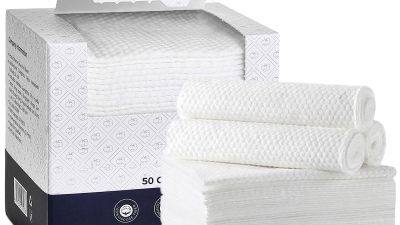
Custom disposable face towels are a practical choice for hotels, salons, spas, and retail brands that need a hygienic option for both dry and wet use. Made from soft spunlace nonwoven fabric, they offer a gentle, cotton-like touch, strong water absorption, and reliable wet strength. They can be used to dry the face, remove makeup, or support everyday cleansing without easily tearing when damp.
Wholesale buyers can choose from roll, flat-fold, and dispenser-box formats to suit different service settings and storage needs. OEM and ODM options allow businesses to customize packaging and add logo printing, creating a presentation that fits their market. When comparing suppliers, consider fabric softness, absorbency, wet durability, packaging format, and the ability to maintain consistent quality across repeat orders.
For larger orders, dependable production capacity is essential. A manufacturing facility spanning 28,030 square meters, with more than 50 production lines and daily output exceeding 300,000 bags, can support steady supply for varied business needs. These customizable towels provide a convenient way for hospitality, beauty, and retail businesses to offer disposable facial care products for use at home or on the go.
Match width, length, thickness, and seal quality to the product and packing method. Test a filled sample for stretching or tearing. Details matter.
Compare liner dimensions with the bin and check whether the edges stay secure. Ask staff to remove a full liner during testing. That step is easy to miss.
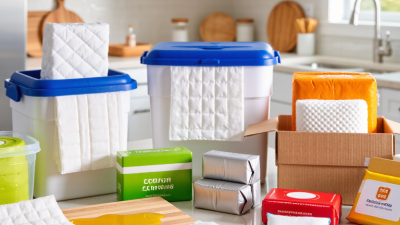
Check sheet size, absorbency, and fit in the actual dispenser. A sample carton can reveal problems that photos cannot. A sample helps.
No. Compare usable quantities, pack counts, and carton measurements as well as price. Large rolls may reduce replacements but fail to fit existing dispensers.
Confirm carton dimensions and shipping volume before requesting freight quotes. Bulky paper goods can take up valuable warehouse space. Not always obvious.
Request material specifications, product dimensions, intended-use details, and relevant test results. Production samples and inspection records can help assess consistency across repeat orders.
Requirements can vary by destination and product type. Confirm applicable standards with qualified testing bodies before ordering, especially for items intended to contact food.
Ask for traceable material records and evidence supporting recycled or compostable claims. Check local collection options and consider reducing unnecessary packaging. A label alone proves little.
No. Audits and delivery records may reveal patterns, but they cannot guarantee every shipment. I would still review samples and repeat-order results.
Wholesale Disposable Products play an important role in global trade by helping businesses meet everyday needs across food service, healthcare, personal care, packaging, and facility operations. This overview explains how common product categories can be identified and compared, considering practical factors such as intended use, material, durability, convenience, and suitability for different business settings.
Key categories include cups, plates, cutlery, and takeaway containers, along with gloves, masks, wipes, bags, liners, and paper goods. For buyers, choosing suitable products involves more than comparing prices: they should assess consistent quality, applicable regulatory requirements, sustainability considerations, supplier reliability, and the ability to meet order and delivery needs. A thoughtful evaluation of these factors can support informed purchasing decisions and help businesses balance functionality, cost, and responsible sourcing.