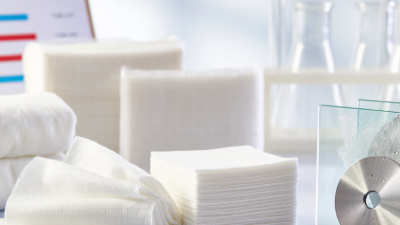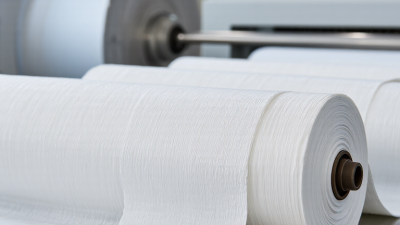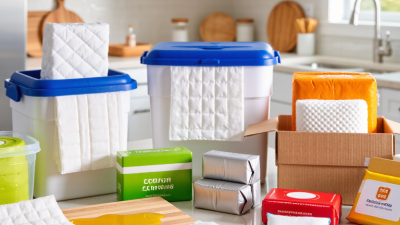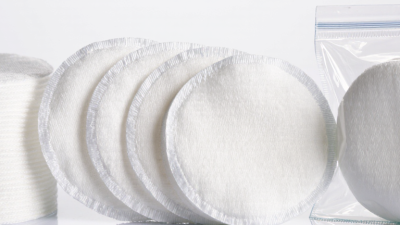
So, China has really turned into a major production hub for wet wipes worldwide—covering everything from personal care and household use to healthcare and industrial applications. According to Grand View Research, the global wet wipes market hit around USD 23.63 billion in 2023. Their report also expects steady growth through 2030, driven by things like convenience, greater hygiene awareness, and wider retail availability. That said, the numbers do vary.
So, Fortune Business Insights came out with a different estimate for the 2023 market. That alone is a good reason buyers need to look closely at how each research firm does its math. Market value isn’t set in stone—it can shift depending on how you define the product, which regions you include, and whether private-label sales are counted. That’s a real limitation, not just some tiny footnote.
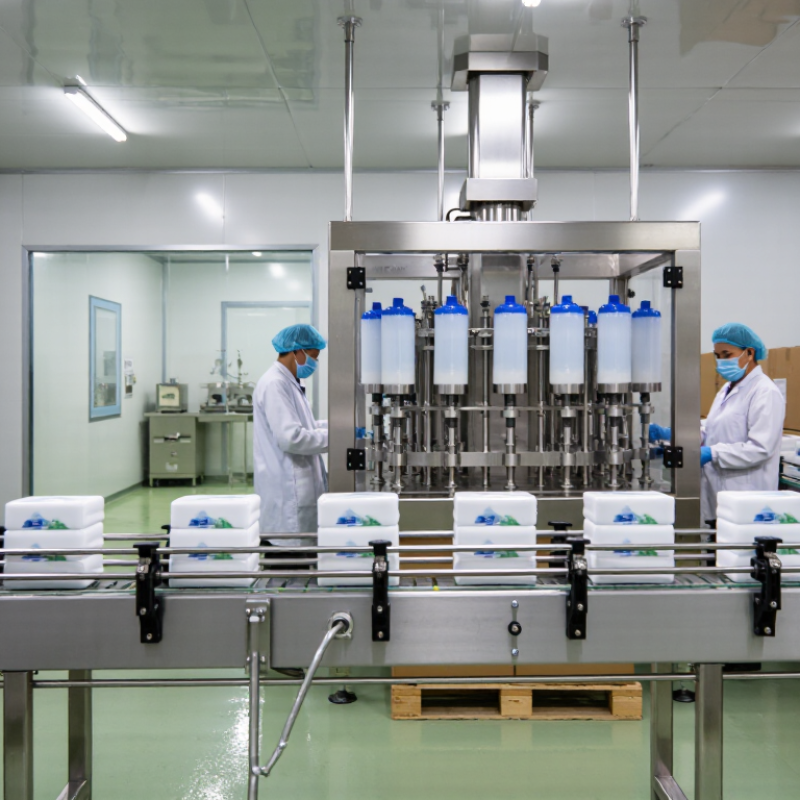
If you look at leading manufacturers and suppliers in China, you'll usually see them offering spunlace or airlaid materials, lotion formulation, folding, sachet packing, and custom labeling too. A factory you can trust? They should be able to walk you through things like fiber composition, basis weight, moisture content, how they control preservatives, and how the packaging actually performs. And honestly, once you're walking the production line, the little details start to jump out — sealed cartons, clean filling rooms, batch records, lot codes you can actually read.
A lot of experienced suppliers will have ISO 9001 systems in place, maybe a quality-control lab, or certifications that matter for export markets. That said, you can't just take certification claims at face value—they really need to be checked. Before committing to a big order, buyers should ask for up-to-date certificates, test reports, factory audit records, and some representative samples. And keep in mind, product compliance isn't one-size-fits-all; it depends on where the product's going and what it's going to be used for.
Here’s the thing: the best wet wipes suppliers in China aren’t always the cheapest ones. That super-low quote? It might mean thinner fabric, weaker seals, lotion that isn’t consistent, or a higher defect rate. And honestly, that’s a risk worth paying attention to. This guide looks at China’s top wet wipes manufacturers and suppliers by comparing things like product range, manufacturing capability, quality systems, customization options, export experience, and buyer support. No supplier is perfect, of course. But when the evidence is clear and transparent, your shortlist gets a lot more reliable.
China’s wet wipes manufacturers produce several practical categories for export markets. Baby wipes use soft, low-lint nonwoven fabric and mild cleansing formulas. Personal hygiene wipes often contain aloe, glycerin, or skin-conditioning agents. Facial wipes need a smoother surface and tighter control of fragrance and preservatives.
Household wipes target kitchens, bathrooms, glass, and general surfaces. Some carry cleaning agents for grease removal, while others support routine dusting. Disinfecting wipes require validated antimicrobial claims and controlled contact times. Cosmetic wipes are usually thinner and designed for makeup removal. Pet wipes, industrial wipes, and medical-purpose wipes serve narrower applications. Flushable products need special attention because disposal performance remains controversial.
The global wet wipes market was valued at about USD 24.7 billion in 2022, according to Grand View Research’s Wet Wipes Market Report 2023–2030. The report projects roughly 5% annual growth through 2030. China’s manufacturing strength comes from broad material access, automated converting lines, and flexible private-label production. However, lower cost does not automatically mean better quality. The category labels are not always clean. Buyers should review fiber composition, lotion safety data, microbiological testing, packaging integrity, and production audits. ASTM, ISO, and destination-market requirements can guide verification, but one checklist cannot fit every wipe type. That is where careful technical review matters.
Chinese wet wipe manufacturers and suppliers support many practical applications. Their products range from everyday cleansing wipes to specialized industrial formats. Material choices often include spunlace nonwoven fabric, purified water, and skin-friendly lotions. The correct combination depends on the intended use.
In healthcare settings, wipes help clean surfaces, equipment exteriors, and patient-care areas. They do not replace approved sterilization procedures. Childcare facilities use gentle wipes for hands, toys, and small spills. Food service businesses choose food-contact cleaning wipes only when the product is clearly approved for that purpose. Travel users value compact packs for airports, trains, and outdoor activities. Fitness centers also use larger wipes for shared handles, benches, and touchpoints.
Industrial users need different performance. Workshop wipes may remove oil, dust, or light adhesive residue from tools and work surfaces. Cosmetic and personal-care applications require careful attention to fragrance, preservatives, pH, and skin sensitivity. A reliable supplier should provide ingredient details, batch records, test results, and clear packaging information. Factory audits can reveal storage conditions that product samples cannot show. A low price can mislead. Some thin wipes tear around corners. Some lids dry out after repeated opening. These weaknesses deserve honest testing before bulk orders. Buyers should also review absorbency, lint levels, sealing quality, and disposal guidance. Not every “flushable” claim suits every plumbing system. That point is easy to overlook.
Indicative application mix of Chinese wet wipe products across major end-use sectors
Personal hygiene and baby care represent the largest application areas, while household cleaning, healthcare, and industrial use continue to support demand for Chinese wet wipe products. The percentages are category-level market estimates and do not represent any company or brand.
Materials and formulations determine how a wet wipe feels, performs, and remains stable during storage. Many suppliers use spunlace nonwoven fabric because it is soft, absorbent, and suitable for gentle cleaning. The fiber blend may include polyester, viscose, cellulose, or plant-based fibers. Each choice affects strength, lint, biodegradability, and flushing risk. These properties should be tested, not assumed.
The liquid usually contains purified water, humectants, mild surfactants, pH adjusters, and a carefully selected preservative system. Glycerin can reduce dryness, while surfactants help lift oils and dirt. Skin-focused wipes often avoid harsh alcohol levels and heavy fragrance. A neutral or mildly acidic pH may support skin comfort, but performance depends on the complete formula. Not every soft wipe is gentle.
Experienced manufacturers and suppliers should provide material specifications, ingredient records, microbial test results, stability data, and packaging compatibility reports. They should also explain how the formula changes for baby care, personal hygiene, household cleaning, or industrial use. I would not trust a biodegradability claim without test conditions and clear evidence. Small errors matter. Excess liquid can cause leakage, while insufficient preservation may create safety concerns. No formulation is perfect, and real-use testing may reveal problems that laboratory samples miss.
Evaluating Chinese wet wipes manufacturers requires more than comparing quotations. A low unit price may hide thinner fabric, weaker seals, or unstable lotion quality. Request product samples from different production lots. Check softness, sheet size, moisture balance, and whether the lid closes firmly after repeated use. A polished showroom proves little.
Ask for factory evidence, not broad promises. Review production licenses, quality certificates, inspection procedures, and raw material traceability. Confirm whether the manufacturer tests pH, microbial limits, seal strength, and packaging compatibility. Independent laboratory reports add confidence, especially for sensitive-skin or household applications. During a factory visit, observe clean-area controls, worker hygiene, batch coding, and storage temperature. Small details matter. Dust near packing lines should raise questions.
Commercial reliability needs equal attention. Compare minimum order quantities, sampling charges, production capacity, lead times, and carton specifications in writing. Ask how rejected batches are handled and who pays for corrective work. A supplier may answer quickly but still lack disciplined records. That weakness can appear later as leaking packs or inconsistent fragrance. I have also seen buyers focus too heavily on certificates and overlook communication gaps. Product performance, documentation, and honest problem-solving should be checked together. A trial order with clear acceptance standards is often more revealing than a long sales presentation.
China Top Wet Wipes Manufacturers and Suppliers
Quality Standards and Certifications to Check
When evaluating wet wipes manufacturers in China, check the certificate scope, not only the certificate logo. ISO 9001 shows a structured quality management system. ISO 22716 is relevant to cosmetic wipes and supports good manufacturing practice. Medical wipes may require ISO 13485 and applicable product registration. The correct standard depends on the intended use.
Ask for recent audit reports, laboratory results, and batch traceability records. A reliable supplier should identify the fabric, lotion ingredients, preservatives, and packaging materials. Check microbiological testing, preservative effectiveness, pH, skin irritation data, and seal integrity. For disinfecting claims, request test methods and performance results under recognized standards. FDA registration alone does not prove product approval or quality.
I also compare the certificate holder with the actual production site. This detail is often missed. Review calibration records, water treatment logs, and retained samples from finished batches. A sealed carton should remain stable after transport, heat, and humidity exposure. Paperwork can look perfect while a package leaks in a warehouse. I would ask for an independent inspection before a large order, although inspections still cannot reveal every future problem. Supplier transparency matters more than impressive wording.
China Top Wet Wipes Manufacturers and Suppliers
Production, Packaging, and Private Label Services
Reliable wet wipes production begins with controlled materials and repeatable processes. Experienced Chinese suppliers usually manage nonwoven selection, lotion blending, cutting, folding, and sealing in one facility. They should provide material specifications, batch records, and quality inspection reports. Ask how they test moisture distribution, microbial limits, seal strength, and skin-contact safety. Small details matter. A dry corner can damage customer trust.
Packaging options include single sachets, soft packs, refill bags, and tubs. Suppliers can adjust film thickness, label placement, opening design, and carton dimensions for different markets. Packaging tests should cover leakage, transport pressure, stacking, and storage conditions. A package may look attractive but still fail after long-distance shipping. This is where practical sampling becomes valuable.
Private label service often covers formula adjustment, artwork preparation, product sampling, and bulk production. Share the intended use, target users, fragrance preference, wipe size, and required shelf life. A dependable supplier explains limitations instead of promising everything. Production timelines can change when materials, printing plates, or testing schedules shift. I have found that clear written specifications prevent more problems than fast promises. Still, no factory is perfect. Buyers should review samples, inspect production, and keep communication documented. Supplier audits and independent testing can add another layer of confidence.
| Service Area | Common Product Types | Production Details | Packaging Options | Private Label Services | Typical Quality and Compliance Checkpoints |
|---|---|---|---|---|---|
| Baby and Sensitive-Skin Wipes | Water-based wipes, fragrance-free wipes, gentle cleansing wipes, and biodegradable substrate options. | Nonwoven substrates are saturated with a water-based lotion. Formulas commonly avoid alcohol, harsh surfactants, and added fragrance when designed for sensitive skin. | Soft packs with resealable labels, flip-top lids, travel packs, and individually wrapped sachets. | Custom artwork, pack count, wipe dimensions, lotion specification, language, and carton design. | Dermatological testing, microbiological testing, preservative challenge testing, material safety documentation, and packaging compatibility testing. |
| Personal Care Wipes | Facial cleansing wipes, makeup-removing wipes, body wipes, intimate-care wipes, and refreshing wipes. | Substrate weight, embossing, texture, lotion viscosity, fragrance level, and skin-feel characteristics can be adjusted for the intended use. | Resealable flow packs, rigid-lid packs, canisters, single-use sachets, and multipacks. | Formula adaptation, fragrance selection, printed film, label application, barcode setup, and finished-goods assembly. | Ingredient review, stability testing, microbial limits, batch traceability, and finished-product quality inspection. |
| Household Cleaning Wipes | Multi-purpose wipes, kitchen wipes, bathroom wipes, glass wipes, and surface-cleaning wipes. | Water-based cleaning solutions may contain detergents, solvents, chelating agents, or disinfecting actives, depending on the intended claim and market requirements. | Soft packs, tubs, canisters, refill packs, and industrial rolls. | Private label formulation, performance-claim development, pack-size selection, warning statements, and retail-ready cartons. | Cleaning-performance testing, chemical compatibility, safety data sheets, claim substantiation, and regulatory review for antimicrobial claims. |
| Disinfecting and Sanitizing Wipes | Surface sanitizing wipes and disinfecting wipes intended for specified hard, non-porous surfaces. | Active ingredients, concentration, contact time, wetness retention, and surface compatibility must be validated for the intended application. | Resealable packs, canisters, tubs, sachets, and bulk-format containers. | Label development, approved-use instructions, regulatory documentation support, packaging artwork, and batch coding. | Efficacy testing against relevant microorganisms, active-content verification, stability testing, safety labeling, and market-specific registration requirements. |
| Flushable and Dispersible Wipes | Personal hygiene wipes made with dispersible or rapidly dispersing nonwoven materials. | Flushability depends on substrate design, binder selection, sheet size, lotion composition, and compliance with the requirements of the target market. | Resealable soft packs, lid packs, travel packs, and individually wrapped formats. | Custom substrate selection, pack count, disposal instructions, artwork, and consumer-use labeling. | Dispersibility, drain-line clearance, biodegradability claims where applicable, microbial testing, and substantiation of disposal instructions. |
| Biodegradable and Plastic-Free Wipes | Cellulose-based, viscose, lyocell, cotton, bamboo-derived, and other plant-fiber nonwoven options. | Fiber composition and processing determine softness, strength, absorbency, biodegradation behavior, and compatibility with the lotion formula. | Paper-look packs, recyclable-film structures where available, carton packs, sachets, and refill formats. | Material sourcing, sustainability claims review, custom packaging artwork, certification-document coordination, and product-positioning support. | Fiber-composition verification, biodegradation testing, restricted-substance review, packaging recyclability assessment, and evidence for environmental claims. |
| Medical and Healthcare Wipes | Patient-care wipes, pre-injection wipes, equipment-cleaning wipes, and healthcare cleaning formats. | Product classification depends on intended use, ingredients, claims, and the regulations of the destination market. Some products require controlled manufacturing and validated processes. | Individual sachets, sterile or controlled packs where applicable, bulk packs, tubs, and dispenser-compatible formats. | Specification control, technical-file support, label review, lot coding, packaging validation, and documentation management. | Applicable quality-management systems, bioburden or sterility controls where required, shelf-life studies, material safety documentation, and regulatory classification review. |
| Industrial and Automotive Wipes | Degreasing wipes, workshop wipes, electronics-cleaning wipes, and heavy-duty maintenance wipes. | Substrate strength, solvent resistance, absorbency, lint level, and chemical compatibility are selected according to the work environment. | Bulk rolls, tubs, buckets, folded wipes, dispenser packs, and individually wrapped wipes. | Custom dimensions, roll configuration, absorbency specification, printed packaging, and private label carton production. | Lint testing, tensile-strength testing, solvent compatibility, absorbency measurement, packaging integrity, and workplace safety documentation. |
| Contract Manufacturing | Finished wet wipes produced from a customer-approved formula, substrate, design, and specification. | Typical workflow includes formulation review, pilot sampling, production scheduling, lotion preparation, substrate conversion, folding, wetting, packing, coding, and final inspection. | Flow packs, canisters, tubs, sachets, cartons, display boxes, and bulk shipping cases. | End-to-end support from product brief and samples to artwork approval, production, quality release, and export documentation. | Approved specifications, batch records, in-process checks, finished-product release criteria, retained samples, traceability, and corrective-action procedures. |
| Packaging and Artwork Support | Packaging development for retail, hospitality, healthcare, e-commerce, and professional-use products. | Pack design must account for moisture retention, seal integrity, material compatibility, transport conditions, opening performance, and shelf-life requirements. | Printed laminate, recyclable structures where technically suitable, paperboard cartons, labels, lids, sachets, and shipping cases. | Artwork adaptation, barcode placement, multilingual labeling, dielines, print proofing, packaging mock-ups, and carton configuration. | Seal-strength testing, leakage inspection, migration review where applicable, print-color approval, barcode verification, and transport testing. |
| Export and Documentation Support | Documentation packages for products shipped to different international markets. | Requirements vary by product category and destination. Cosmetic, household, disinfecting, medical, and general consumer wipes may follow different regulatory pathways. | Retail cartons, export cases, palletized shipments, container loading plans, and market-specific labels. | Commercial invoices, packing lists, certificates of analysis, ingredient information, safety documents, certificates of origin, and customized shipping marks. | Destination-market label review, product classification, customs documentation, lot traceability, shelf-life declaration, and applicable conformity records. |
Note: Actual formulations, certifications, minimum order quantities, lead times, packaging materials, and regulatory obligations vary by product type, production facility, and destination market. All performance and environmental claims should be supported by appropriate testing and documentation before commercial use.
Selecting a reliable wet wipes supplier in China requires more than comparing unit prices. Grand View Research valued the global wet wipes market at USD 23.63 billion in 2023 and expects continued growth through 2030. This pressure can encourage rushed production. Ask for factory records, not polished presentations.
Check whether the supplier operates under ISO 9001 and maintains traceable batch controls. For cosmetic or personal-care wipes, review ingredient specifications, microbiological tests, stability results, and packaging compatibility. Request recent third-party reports for fiber composition, lotion safety, and microbial limits. Verify that testing covers your target market. One certificate is not enough.
Audit the production site, remotely or in person. Observe sealed raw-material storage, clean filling areas, labeling checks, and retained samples. Confirm minimum order quantities, lead times, defect procedures, and change-control rules in writing.
Smithers’ wipes industry analysis also highlights sustainability and material innovation as major market drivers. Ask whether the fabric contains plastic fibers and whether disposal claims are properly tested. A low quotation may hide weak inspection or unstable supply. No checklist is perfect. Recheck after the first shipment, because an impressive sample can conceal inconsistent mass production.
Compare fabric thickness, sheet size, moisture balance, seal quality, and lotion consistency. Request samples from different production lots.
Ask for production licenses, quality certificates, inspection procedures, and raw material traceability records.
Confirm testing for pH, microbial limits, moisture distribution, seal strength, and packaging compatibility. Independent laboratory reports can provide extra confidence.
Observe clean-area controls, worker hygiene, batch coding, storage temperature, and packing-line conditions. Dust near equipment deserves a clear explanation.
Suppliers may offer single sachets, soft packs, refill bags, and tubs. Ask about film thickness, opening design, labels, and carton dimensions.
Check leakage, transport pressure, stacking strength, and storage performance. Repeatedly open and close lids during sample review.
Record minimum order quantities, sample charges, production capacity, lead times, and carton specifications. Clarify rejected-batch handling and corrective-work costs.
Share the intended use, target users, fragrance preference, wipe size, and shelf-life requirement. Confirm artwork, formula changes, testing schedules, and production limits in writing.
Often, yes. Set acceptance standards before production, then review samples, records, packaging, and communication.
China has become an important source of Wet Wipes for healthcare, personal care, household cleaning, food service, baby care, and industrial applications. Manufacturers offer various product types, including cleansing, disinfecting, cosmetic, flushable-style, and specialized cleaning wipes. These products may use nonwoven fabrics such as spunlace, airlaid, or biodegradable fibers, combined with formulations designed for skin care, surface cleaning, hygiene, or other specific purposes. Buyers should assess absorbency, softness, strength, moisture retention, ingredient safety, and compatibility with the intended application.
When evaluating Chinese Wet Wipes manufacturers and suppliers, it is essential to review production capacity, quality-control procedures, testing records, and certifications relevant to the target market. Buyers should also confirm packaging options, private label capabilities, minimum order quantities, customization support, lead times, and export experience. A reliable supplier should communicate clearly, provide consistent samples, maintain traceable manufacturing processes, and support inspections before shipment. Careful comparison of materials, formulations, certifications, pricing, and after-sales service can help international buyers select a dependable manufacturing partner.