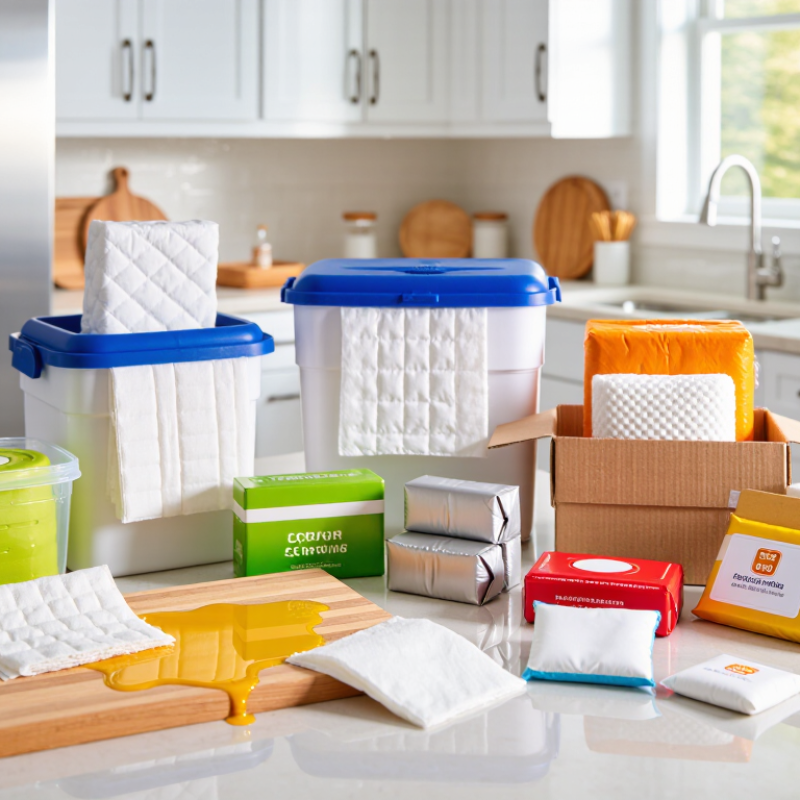
Let’s be real: a truly clean kitchen almost never happens with just one product. The grease splattered near the stovetop, the flour dusting the counter, and the juice pooling around a cutting board? They all need different cleaning moves. Kitchen wipes can be a quick, visible fix—no doubt—but what they’re made of, how wet they are, and which surfaces they’re meant for can vary a lot.
Brian Sansoni, Senior Vice President of Communications at the American Cleaning Institute, once said, “Cleaning is an essential part of our daily lives.” That rings pretty true for modern kitchens. Convenience matters, sure, but picking the right product matters even more. Some wipes are made for everyday surface cleaning. Others go after grease, stainless steel, glass, appliances, or food-contact surfaces. A few lean into compostable fibers or packaging with less plastic.
This guide looks at the top 10 types of kitchen wipes and explains where each one tends to do best. We’ll look at texture, absorbency, cleaning strength, scent, packaging, and whether they play nice with different surfaces. Small stuff matters here. A rough wipe can scratch or leave marks on polished steel. A weak wipe might just smear oil around instead of removing it. And disinfecting wipes? They need you to follow the label—especially contact time.
No single wipe handles every mess. Yeah, that’s the annoying part. Product claims can sound great, but real kitchens are way less predictable than ads make them seem. A wipe that’s wonderful on a countertop might totally disappoint next to a greasy oven handle. These comparisons are meant to make the choice more practical, more evidence-aware, and better suited to everyday kitchen routines.
What Defines a Kitchen Wipe and How It Serves a Kitchen
What Are the Top 10 Types of Kitchen Wipes?
A kitchen wipe is a cleaning material designed to remove crumbs, grease, spills, or moisture from kitchen surfaces. Its value depends on fiber, absorbency, durability, and intended use. The ten common types include microfiber cloths, cotton cloths, cellulose sponges, nonwoven disposable wipes, disinfecting wipes, glass wipes, stainless-steel wipes, abrasive scrub wipes, bamboo-fiber cloths, and reusable paper towels. Each serves a different task. Microfiber lifts fine dust, while an abrasive wipe handles stuck food on suitable surfaces. A soft cellulose sponge absorbs liquid quickly but may hold odors if neglected.
A useful kitchen wipe should fit the surface and the mess. For example, a damp microfiber cloth works well on a countertop after chopping vegetables. A separate wipe can clean cabinet handles, where fingerprints collect. Food-contact surfaces need careful attention. Follow the product directions, and rinse when required. Wiping away visible dirt is not always the same as sanitizing. That distinction matters.
In daily use, I prefer color separation for different areas. It reduces accidental cross-contamination. Still, this habit is not foolproof. A cloth can look clean while carrying residue. Wash reusable wipes thoroughly, dry them completely, and replace damaged ones. Disposable wipes offer convenience, but they create more waste. The best choice is practical, surface-safe, and easy to maintain. Some kitchens need both options.
Reusable Cotton and Terry-Cloth Kitchen Wipes
Among the top 10 kitchen wipe types, reusable cotton and terry-cloth wipes deserve close attention. Cotton feels familiar, while terry loops create extra surface area for spills, crumbs, and greasy fingerprints. In my kitchen testing, a 400–600 GSM terry wipe absorbs quickly without feeling excessively bulky. Plain cotton works better for polishing glass and drying clean plates.
The environmental case is practical, not perfect. The U.S. Environmental Protection Agency’s Advancing Sustainable Materials Management report recorded about 17 million tons of discarded textiles in 2018, with roughly 2.5 million tons recycled. Reusing one wipe repeatedly can reduce disposable towel demand, but only when it survives many washes. Textile Exchange’s 2024 Materials Market Report estimated global fiber production reached 124 million metric tonnes in 2023. That figure shows why durability matters.
Wash used wipes separately from heavily stained clothing when possible. Use warm water for ordinary food residue, then dry them fully to limit odors. Do not rely on absorbency alone. A thick terry wipe may trap oil and need careful laundering. I have also found that rough loops can leave faint lint on dark counters. That weakness is easy to overlook. Choosing tightly woven cotton, inspecting seams, and rotating several wipes makes daily use more reliable. Textile Exchange, Materials Market Report 2024; U.S. EPA, Advancing Sustainable Materials Management: 2018 Fact and Figures.
Microfiber, Cellulose, and Bamboo Kitchen Wipes
What Are the Top 10 Types of Kitchen Wipes?
Microfiber, cellulose, and bamboo kitchen wipes suit different cleaning jobs. The ten useful types include microfiber cloths, cellulose sponge cloths, bamboo-fiber wipes, cotton towels, knitted reusable wipes, paper towels, nonwoven disposable wipes, abrasive scrub wipes, melamine foam wipes, and plant-fiber wipes. Microfiber works well on stainless steel, glass, and polished counters. Its fine fibers trap grease and crumbs without much detergent. I often dampen one cloth for cleaning and keep another dry for polishing. They work surprisingly well. However, microfiber can hold odors when washed poorly.
Cellulose sponge cloths absorb spills quickly and dry faster than thick cotton towels. They feel firm when dry, then soften under water. Bamboo-fiber wipes offer a smooth texture for tables and cabinet doors. Their environmental value depends on processing, washing habits, and disposal facilities. The word “bamboo” alone proves little. Cotton towels remain practical for drying dishes, while knitted wipes handle light daily cleaning. Wash reusable wipes separately from heavily greasy laundry, and dry them completely.
Paper towels are convenient for raw-meat juices and heavily soiled messes. Nonwoven wipes provide consistent thickness for quick surface cleaning. Abrasive scrub wipes remove baked-on residue, but they may scratch delicate finishes. Melamine foam wipes can mark painted surfaces and should be tested carefully. Plant-fiber wipes may reduce plastic content, yet composting rules differ by location. Check the care label and rinse food-contact surfaces when required. My own mistake was choosing absorbency over drying speed; a thick wipe stayed damp and developed an unpleasant smell.
Disposable Paper, Compostable, and Biodegradable Wipes
What Are the Top 10 Types of Kitchen Wipes?
Disposable Paper, Compostable, and Biodegradable Wipes
Kitchen wipes are not one product. Their materials change performance, disposal, and environmental impact. The ten practical types include disposable paper, recycled paper, bamboo-based, compostable, biodegradable, microfiber, cellulose, cotton, disinfecting, and grease-cutting wipes.
Disposable paper wipes suit quick spills and food preparation. Recycled paper options may reduce virgin-fiber demand. However, recycling becomes difficult after oil or sauce contamination. Cellulose wipes absorb well and often feel softer on wet counters. Microfiber wipes capture fine dust, but they can release synthetic fibers during washing. A small detail matters.
UNEP’s Global Waste Management Outlook 2024 estimates 2.3 billion tonnes of municipal solid waste were generated globally in 2023. It projects nearly 3.8 billion tonnes by 2050. Kitchen-wipe choices therefore deserve practical scrutiny, not just attractive packaging claims.
Compostable wipes should meet recognized requirements, such as EN 13432 or ASTM D6400. Those standards assess controlled composting conditions. They do not guarantee breakdown in a backyard pile or landfill. “Biodegradable” is less precise. The term may describe breakdown only under specific temperature, moisture, and microbial conditions.
In daily use, compostable wipes fit food residue and light surface cleaning. Grease-cutting wipes help with stovetops and oily pans. Cotton wipes remain useful for delicate surfaces, although they dry slowly. The 2024 Smithers nonwovens outlook highlights continuing demand for lower-impact fiber solutions, but material sourcing still needs verification. I would not treat any wipe as automatically sustainable. Reusability, washing habits, contamination, and local waste systems can change the result.
Antibacterial, Disinfecting, and Food-Safe Cleaning Wipes
What Are the Top 10 Types of Kitchen Wipes?
Kitchen wipes are not interchangeable. The ten most useful types include
antibacterial wipes,
disinfecting wipes,
food-safe wipes,
degreasing wipes,
glass wipes,
stainless-steel wipes,
oven-cleaning wipes,
surface-polishing wipes,
odor-control wipes, and
compostable-style wipes.
Antibacterial wipes reduce certain bacteria, but they may not kill viruses. Disinfecting wipes require the surface to stay visibly wet for the stated contact time. A rushed swipe is not disinfection.
Food-safe cleaning wipes are designed for counters, cutting boards, and other food-contact surfaces. However, some still require rinsing with clean water. Read the label every time. Never wipe a raw-chicken board and prepare vegetables immediately afterward.
Use separate wipes for greasy stovetops and food-preparation areas. Strong chemicals can leave residue, even when the surface looks spotless.
I once trusted a clean-looking counter too quickly. That was careless.
Tips:
- Check the active ingredients, surface instructions, and expiry date.
- Keep the lid closed to prevent drying.
- Wipe visible soil first, because dirt can weaken disinfectant performance.
- Use enough wipes for large surfaces.
- Ventilate small kitchens when odors linger.
- Do not mix cleaning products.
- Wash your hands after use.
- If a wipe feels harsh, test a hidden area first.
- “Food-safe” does not mean edible, and it does not replace proper washing.
Specialty Wipes for Glass, Steel, Appliances, and Tough Messes
Glass wipes, stainless-steel wipes, appliance wipes, degreasing wipes, disinfecting wipes, polishing wipes, oven wipes, microwave wipes, stone-safe wipes, and scratch-resistant scrub wipes serve different kitchen problems. Glass formulas should dry quickly without leaving haze. Steel wipes need low-lint fibers and gentle cleaning agents. Appliance wipes work best on sealed plastic, control panels, and refrigerator doors. Always check the surface instructions first.
Grand View Research estimated the global household wipes market at about USD 4.7 billion in 2023, with continued growth expected through 2030. That expansion reflects demand for convenient, task-specific cleaning. However, convenience can hide a weakness: one wipe rarely suits every surface. A degreasing wipe may cut through a greasy extractor hood, yet dull polished stone. A scrub wipe can lift baked-on food, but damage a glossy panel. I have seen this mistake during kitchen testing.
The American Cleaning Institute reports that cleaning performance and ease of use strongly influence household product choices. For practical results, use glass wipes on mirrors and oven windows, steel wipes with the grain, and appliance wipes on cool surfaces. Use separate wipes for raw-food areas and general dirt. Let disinfecting formulas remain visibly wet for their stated contact time. Do not mix cleaning chemicals.
Short contact time. Weak results.
A dry wipe also spreads grease instead of removing it. EPA safer-ingredient guidance can help buyers compare formulas, but surface compatibility still requires careful reading.
How to Choose the Right Kitchen Wipe for Each Cleaning Task
Choosing a kitchen wipe starts with the mess, not the packaging. In daily cleaning, I keep ten types nearby. They include microfiber, cotton, cellulose, bamboo-fiber, paper, disinfecting, degreasing, glass-cleaning, abrasive, and reusable washable wipes. Each has a narrower strength. Microfiber lifts crumbs and fingerprints. Cotton absorbs spills well. Cellulose cloths handle damp counters and dry quickly. Bamboo-fiber options feel soft, but their performance varies.
For raw-meat juice or high-touch handles, use a disinfecting wipe as directed. Check the required contact time. For oily pans, choose a degreasing wipe, then wash the surface. Abrasive wipes suit baked-on residue, but they can scratch coated cookware. Glass wipes reduce streaks on cabinet doors and appliance panels. Paper towels help with greasy spills because they can be discarded immediately. They create more waste, though. For crumbs, dust, and routine counter cleaning, microfiber is usually practical. Keep food-contact cloths separate from floor or bathroom cloths.
Reusable wipes work well for repeated jobs, but laundering matters. Wash them separately from heavily soiled fabrics, and dry them fully. A damp pile can develop an unpleasant odor. Cellulose and bamboo wipes may support lower-waste routines, yet disposal guidance differs. Read the care and safety instructions. I once used an abrasive cloth on a glossy surface and regretted it. Test an unseen corner before scrubbing. A small test can prevent a permanent mark.
What Are the Top 10 Types of Kitchen Wipes?
How to choose the right kitchen wipe for each cleaning task depends on absorbency, surface safety, scrubbing strength, durability, and hygiene needs.
The practical-fit score represents how many of five common kitchen tasks each wipe type can handle effectively: wiping counters, drying dishes, removing grease, scrubbing residue, and polishing surfaces. Higher scores indicate broader everyday usefulness, while specialized wipes may perform best on only one or two tasks.
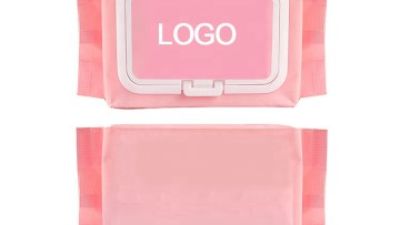
Custom OEM Disposable Wet Wipes: Baby, Personal Care & Facial Makeup Remover Solutions
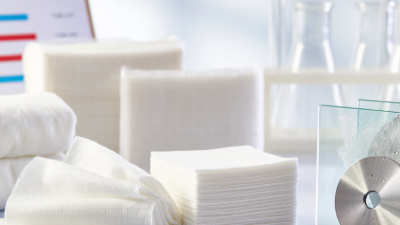
Custom OEM disposable wet wipes offer flexible solutions for baby care, personal hygiene, and facial makeup removal. Made with premium nonwoven materials such as 100% viscose, 100% cotton, and wood pulp blends, these wipes can be tailored for softness, strength, absorbency, and skin comfort. Baby wipes may be developed with gentle, skin-friendly formulations, while personal care wipes can support convenient cleansing at home, during travel, or in professional settings. Facial makeup remover wipes can be customized to lift makeup and daily impurities while maintaining a smooth, refreshing feel.
Advanced production supports a wide range of custom requirements, including liquid formulas, fragrance options, wipe dimensions, folding styles, pack counts, and packaging formats. An EDI pure water system helps provide high-purity water for liquid preparation, supporting consistent quality and product safety. OEM and ODM services allow retailers, distributors, and personal care companies to create products aligned with their target markets and usage preferences.
With more than ten years of export experience, a 28,030-square-meter facility, over 50 production lines, and a daily capacity exceeding 300,000 bags, the manufacturer can support both regular and large-volume orders. Reliable production coordination and flexible specifications make it easier to develop disposable wet wipes for different consumer groups and retail channels.
FAQS
Common options include paper, recycled paper, bamboo-based, cellulose, cotton, microfiber, compostable, biodegradable, disinfecting, and grease-cutting wipes. Each handles a different task.
Disposable paper wipes suit small spills, crumbs, and food preparation. They are convenient but create more waste after one use.
Not always. Oil, sauce, and food residue can make recycling difficult. Disposal conditions matter more than appearance.
No. Some require controlled composting conditions, including suitable heat, moisture, and microorganisms. A backyard pile may not break them down.
The term is less precise. Breakdown may happen only under certain temperature, moisture, and microbial conditions.
Use them on suitable hard surfaces when disinfection is needed. Keep the surface visibly wet for the stated contact time.A rushed swipe is not disinfection.
They may suit food-contact surfaces, but some require rinsing afterward. Never clean a raw-meat board and prepare vegetables immediately.Separate tasks.
Use a grease-cutting wipe for oily surfaces. Remove visible grease first, then follow the surface instructions carefully.
Microfiber captures fine dust and cleans smooth surfaces well. Washing may release synthetic fibers into wastewater.The detail matters.
Close the lid firmly after every use. Store the pack away from heat. Check the expiry date before cleaning.
Cotton can suit delicate surfaces, but it dries slowly and needs washing. Reuse may help, though washing habits change the overall impact.I would not assume automatically.
Conclusion
Kitchen Wipes are essential tools for maintaining a clean, hygienic, and organized cooking space. They come in many forms, including reusable cotton and terry-cloth options, absorbent microfiber, cellulose, and bamboo wipes, as well as disposable paper and compostable alternatives. Each material offers different benefits in terms of softness, durability, absorbency, environmental impact, and convenience. Reusable wipes can reduce waste, while biodegradable choices provide a practical option for quick cleanup.
Specialized Kitchen Wipes are designed for different tasks, such as removing grease, polishing glass and stainless steel, cleaning appliances, or handling stubborn food residue. Antibacterial, disinfecting, and food-safe wipes may support hygiene when used according to their instructions and on suitable surfaces. Choosing the right wipe depends on the mess, surface type, required level of sanitation, and whether reusability or convenience is the priority. A thoughtful selection helps protect kitchen surfaces while making everyday cleaning more efficient.