Leave Your Message
0%

Spunlace nonwoven fabric is a pretty versatile material. It's made by using high-pressure water jets to entangle fibers—no traditional weaving involved. So where does its soft feel and flexible strength come from? Mostly mechanical bonding. That process is what turns it into fabrics used for wipes, medical gowns, cosmetic pads, household cloths, and some filtration products.

How well it performs depends on a few things: fiber type, weight, bonding pressure, and any finishing treatment. Cotton can give it a natural hand feel, while polyester or viscose might add strength, absorbency, or make processing more stable. A facial wipe should feel smooth on skin. A medical drape might need controlled lint, consistent coverage, and verified cleanliness. Small differences really do matter.

It sounds simple, right?

But in practice, choosing the right product isn't just about checking softness. Engineers usually test tensile strength, liquid absorption, thickness, lint release, and wet durability. Manufacturers should also check raw material traceability and quality controls. Those details help keep results dependable across production batches. That said, no single grade works for every application. A strong fabric may feel less comfortable, while a highly absorbent one may tear when wet. It's easy to underestimate that trade-off.

This guide looks at what spunlace nonwoven fabric is used for and why industries choose it. It also covers practical limitations, sustainability claims, and application-specific needs. Some conclusions may need refining, because performance changes with formulation and processing. That uncertainty deserves attention—not promotional fluff. Reliable decisions come from technical data, supplier experience, and testing under real-use conditions.
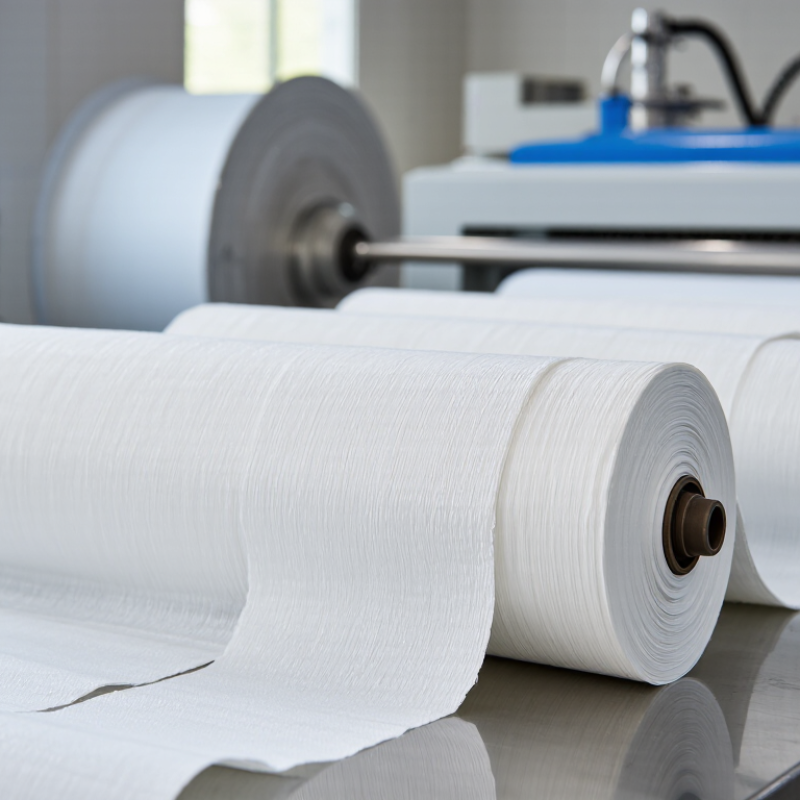
What Is Spunlace Nonwoven Fabric Used For?

Definition and Basic Properties of Spunlace Nonwoven Fabric

Spunlace nonwoven fabric is a sheet made by entangling loose fibers with fine, high-pressure water jets. Unlike woven cloth, it has no traditional warp or weft structure. The water repeatedly twists and locks the fibers together, then the sheet is dried and finished. Common fibers include viscose, polyester, cotton, and blended materials. Fiber selection changes the fabric’s feel, strength, absorbency, and drying behavior.

Its surface is usually soft and cloth-like, which explains its use in wipes, medical drapes, cleaning cloths, cosmetic pads, and filtration layers. The fabric can absorb liquid quickly, while some synthetic blends resist tearing during wet handling. It also produces little loose lint when properly manufactured. However, softness alone does not prove quality. Basis weight, tensile strength, elongation, absorbency, thickness, and lint performance should be checked for each application. Small differences matter.

In practical handling, a heavier sheet often feels stronger, but it may absorb liquid more slowly. A very absorbent grade can also become weak after saturation. That trade-off is easy to overlook. It is not perfect. Some finishes affect skin comfort, printing, or recyclability, so testing remains necessary. For hygiene-related products, manufacturers should also verify cleanliness, chemical safety, and relevant regulatory requirements before use. The best grade depends on contact conditions, moisture levels, required durability, and disposal expectations.

Spunlace Nonwoven Fabric: Relative Performance of Basic Properties

Spunlace nonwoven fabric is produced by entangling fibers with high-pressure water jets. Its soft hand feel, absorbency, breathability, drape, and adequate tensile strength make it suitable for wipes, medical and hygiene products, filtration media, household cleaning materials, and selected automotive or industrial applications. The scores show the typical relative importance or performance of each property across common spunlace uses, rather than laboratory measurements.

How Spunlace Nonwoven Fabric Is Manufactured

Spunlace nonwoven fabric is made by entangling loose fibers with high-pressure water jets. Unlike woven fabric, it does not require yarn interlacing. The process begins with fiber preparation. Polyester, viscose, cotton, or blended fibers are opened and evenly distributed into a soft web. Airflow and carding equipment help control thickness, weight, and fiber direction.

The web then passes beneath fine water jets. Their pressure pushes fibers through the web and repeatedly pulls them back. This mechanical action creates strength without traditional adhesives. Several jet stations may be used, with pressure adjusted for the fiber type and desired texture. The material is then dried through heated cylinders or controlled air systems. Excess water must be removed carefully. Too much heat can shrink the fabric or make it feel harsh.

After drying, manufacturers may add treatments for absorbency, softness, pattern, or liquid resistance. Slitting and rolling follow, depending on the final application. These steps support products such as wipes, medical textiles, hygiene materials, and cleaning cloths. In practical production, consistency is difficult. Fiber moisture, jet pressure, and drying speed can change the final result. A fabric may look uniform but still vary in strength. Careful testing remains necessary.

The process is efficient, but not perfect. Water use and wastewater management require serious attention. Better filtration and recycling systems can reduce this burden, although they also increase equipment demands. Each production line needs technical judgment, not simple settings copied from another facility.

What Is Spunlace Nonwoven Fabric Used For? - How Spunlace Nonwoven Fabric Is Manufactured

Category Typical Information Key Characteristics or Purpose
Fabric definition Hydroentangled nonwoven fabric Fibers are mechanically entangled by high-pressure water jets rather than woven or knitted into yarn structures.
Common fiber materials Viscose, polyester, polypropylene, cotton, wood pulp, and fiber blends The fiber selection affects softness, absorbency, strength, linting, biodegradability, and drying behavior.
Typical basis-weight range Approximately 20–200 g/m², depending on the product Lightweight grades are often used for wipes, while heavier grades are suitable for medical, industrial, or filtration applications.
Personal care wipes Baby wipes, facial cleansing wipes, makeup-removal wipes, and intimate-care wipes Soft hand feel, good lotion retention, controlled absorbency, and suitable drape are important performance requirements.
Household cleaning Kitchen wipes, glass-cleaning wipes, surface-cleaning wipes, and dusting cloths The fabric can absorb liquids, pick up particles, and provide a uniform surface for cleaning formulations.
Medical and healthcare products Wound-care wipes, patient-care wipes, surgical drapes, and disposable gowns Applications may require softness, liquid absorption, low lint, cleanliness, and compliance with applicable medical-product requirements.
Industrial applications Automotive wipes, maintenance cloths, polishing cloths, and solvent-wipe materials Strength, abrasion resistance, absorbency, and compatibility with oils or cleaning chemicals are selected according to use.
Filtration and separation Air, liquid, and process-filtration support layers Fiber composition, pore structure, thickness, and basis weight influence permeability and particle-retention performance.
Construction and geotextiles Protective layers, drainage support, reinforcement, and erosion-control products Heavier structures can provide separation, filtration, drainage, and protection when designed for the relevant soil or building conditions.
Step 1: Fiber preparation Fibers are opened, blended, and cleaned when necessary. This helps create a consistent fiber mixture and supports uniform web formation.
Step 2: Web formation Fibers are distributed into a dry-laid or wet-laid web. Web uniformity influences fabric thickness, strength, absorbency, and appearance.
Step 3: Hydroentanglement Fine, high-pressure water jets entangle the fibers. The water jets pass through the web and cause fibers to wrap around and interlock with one another.
Step 4: Water removal Excess process water is removed using suction and dewatering equipment. Efficient dewatering reduces the energy required during the subsequent drying stage.
Step 5: Drying and finishing The fabric is dried, calendered or treated if required, and wound into rolls. Finishing controls surface feel, thickness, width, moisture content, and roll quality.
Main performance advantages Softness, absorbency, drape, uniformity, and flexibility Spunlace fabric can be engineered for disposable wipes, medical materials, industrial cloths, and technical products.
Important limitations Performance varies by fiber type, web design, entanglement level, and finishing treatment. Not every spunlace grade is suitable for sterilization, repeated washing, high-temperature use, or liquid and chemical exposure.

Common Medical and Healthcare Applications

Spunlace nonwoven fabric is widely used in medical and healthcare settings because it feels soft, absorbs fluids, and produces little lint. Hydroentangled fibers create a textile-like surface without traditional weaving. This structure supports wound dressings, surgical gowns, operating-room drapes, examination sheets, and patient-care wipes. It also reduces skin friction during repeated contact.

According to EDANA industry statistics, global nonwoven production reached about 13 million tonnes in 2023. Hygiene and medical products represented a significant demand segment. A 2024 market report from Smithers also identifies healthcare as a major growth area for advanced nonwovens. In practice, spunlace fabric can carry lotions, cleaning agents, or antimicrobial treatments. However, the finished product still requires suitable testing.

Not automatically sterile.

Manufacturers must validate absorbency, wet strength, lint release, biocompatibility, and barrier performance for each application. Wound-contact materials need especially careful evaluation, since softness alone does not prove safety. Spunlace may work well for a fluid-absorbing dressing, but it may not replace a high-barrier surgical material. That distinction is sometimes overlooked. Sterilization can also change strength and surface properties. Medical teams should review test results, intended exposure time, and applicable standards before choosing a construction. I have found that small differences in fiber blend can affect tearing, drape, and patient comfort. This is where generic “medical grade” claims become insufficient.

Uses in Personal Care and Hygiene Products

What Is Spunlace Nonwoven Fabric Used For?

In personal care, spunlace nonwoven fabric is commonly used for wet wipes, dry wipes, cleansing cloths, and cosmetic pads. High-pressure water jets entangle the fibers without traditional weaving. This creates a soft, flexible sheet with a textile-like feel.

I have seen spunlace cloth perform well during facial cleansing and baby-care routines. Its smooth surface feels gentle against skin, while its open structure helps hold water, lotion, or cleansing solution. Manufacturers can adjust fiber type, weight, thickness, and texture for different products. Cotton, viscose, polyester, or blended fibers may be selected for specific performance needs. A stronger grade can support wiping without tearing too quickly.

Personal hygiene products also use spunlace in disposable towels, makeup-removal sheets, feminine care wipes, and protective cleansing materials. Low lint matters here, especially around the eyes and sensitive skin. However, softness alone does not prove suitability. The fabric must be tested for wet strength, absorbency, lotion compatibility, odor, and skin contact safety. It should also match the product’s disposal instructions.

There is room for improvement. Some wipes feel pleasant but break apart poorly after heavy use. Others absorb well yet leave too much liquid on the skin. These trade-offs are easy to underestimate. Careful testing remains necessary before selecting a spunlace substrate for production.

Household, Cleaning, and Industrial Applications

Spunlace nonwoven fabric is made by entangling fibers with high-pressure water jets. It feels soft, but its structure can withstand repeated wiping. Grand View Research valued the global nonwoven fabric market at approximately USD 53.5 billion in 2023. Household demand is a major force behind this growth.

In homes, spunlace appears in kitchen wipes, bathroom cloths, dusting sheets, and reusable cleaning pads. Its fine surface lifts grease and loose particles without feeling harsh on glass or polished surfaces. In practice, fiber blend and basis weight matter. A thin sheet may dry quickly, while a heavier sheet holds more liquid. That difference is easy to overlook. Smithers’ The Future of Global Nonwovens to 2028 identifies wipes and hygiene materials as important growth applications. However, not every spunlace wipe performs equally well. Some tear near wet edges, especially after strong twisting.

Industrial users select spunlace for solvent wipes, equipment maintenance, filtration support, and surface preparation. Automotive workshops often need low-lint cloths around painted panels and precision parts. Manufacturing facilities may prefer antistatic or absorbent grades, depending on the process. Technical specifications should include tensile strength, elongation, lint level, absorbency, and chemical compatibility. The European Disposables and Nonwovens Association also emphasizes performance testing and responsible disposal in nonwoven applications. Material choice remains application-specific. A cheaper sheet can create more waste when it fails too early.

Factors Influencing Its Selection for Different Uses

What Is Spunlace Nonwoven Fabric Used For?

Factors Influencing Its Selection for Different Uses

Spunlace nonwoven fabric is used in wipes, medical gowns, masks, filtration layers, and personal-care products. Its water-jet bonding creates a soft, cloth-like surface without traditional weaving. Smithers’ report, The Future of Global Nonwovens to 2028, projects continued growth in global nonwoven demand, driven by hygiene, healthcare, and filtration applications. This growth does not make spunlace suitable everywhere.

Selection depends on fiber type, basis weight, absorbency, strength, and surface texture. Cotton and viscose improve softness and liquid uptake. Polyester can increase durability and dimensional stability.

A 40 gsm structure may suit a facial wipe, while a heavier 70 gsm construction can provide better tear resistance for industrial cleaning. INDA reports that wipes remain a major nonwoven end-use sector, but performance expectations differ sharply between skin contact and machinery maintenance. Small details matter.

Manufacturers also evaluate production speed, cost, lint release, and disposal requirements. For medical products, uniformity and barrier performance may outweigh softness. For cosmetic wipes, touch and absorbency usually lead the decision. EDANA’s market data shows strong demand for hygiene-related nonwovens across Europe, yet regional regulations and waste systems influence material choices.

A biodegradable fiber is not automatically the best option. It may absorb well but lose strength when wet. I have seen specifications focus too heavily on softness. That assumption is incomplete. Testing remains essential, especially after storage, folding, and repeated wet handling.

Wholesale Spunlace Rolls for Cotton Pads: 100% Cotton/Viscose Manufacturing Trends—Smithers & Grand View Research

Wholesale spunlace rolls are becoming an important material choice for manufacturers of cosmetic cotton pads as consumers increasingly seek softer, more absorbent, and skin-friendly products. Recent industry research highlights continued interest in 100% cotton and viscose-based nonwovens, supported by their natural touch, efficient liquid absorption, and comfortable performance during skincare routines. Cotton offers a soft and familiar surface, while viscose provides smoothness, uniform fiber distribution, and strong absorbency. Cotton/viscose blends can balance these properties with reliable wet strength, helping pads maintain their shape during use.

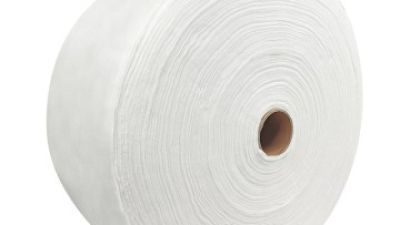
A professional supply partner can provide spunlace rolls in 100% cotton, viscose, cotton/viscose blends, and polyester/viscose combinations for different production requirements. Available specifications may include weights from 35 to 120gsm, customized widths, embossed or smooth textures, and flexible packaging formats. With a 28,030-square-meter facility and more than 50 production lines, Shenzhen Profit Concept International Company Ltd supports stable wholesale supply for cosmetic pad manufacturers worldwide. More than ten years of export experience also enables efficient communication, quality control, and tailored production for high-volume orders.

FAQS

What is spunlace nonwoven fabric used for?

It is used for wipes, gowns, drapes, dressings, cleaning cloths, and filtration layers. Its surface feels textile-like without traditional weaving.

Why is spunlace suitable for medical applications?

It feels soft, absorbs fluids, and releases little lint. It can also reduce skin friction during repeated contact. However, softness alone does not prove safety.

Is spunlace fabric automatically sterile?

No. Sterility requires validated processing and testing. Manufacturers should also assess absorbency, wet strength, biocompatibility, lint release, and barrier performance.

Can spunlace replace high-barrier surgical materials?

Not always. It may suit fluid-absorbing dressings or protective sheets. A high-barrier application may require a different construction and stronger validation.

What factors affect spunlace fabric selection?

Fiber type, basis weight, absorbency, strength, texture, lint level, and chemical compatibility all matter. A lighter sheet may dry quickly. A heavier sheet often resists tearing better.

Which fibers are commonly chosen for different needs?

Cotton and viscose can improve softness and liquid uptake. Polyester may improve durability and dimensional stability. Fiber blends can change drape, tearing, and comfort.

Where is spunlace used in household cleaning?

Common uses include kitchen wipes, bathroom cloths, dusting sheets, and reusable cleaning pads. Fine surfaces can lift grease from glass and polished surfaces. Strong twisting may still tear wet edges.

What should industrial buyers test before choosing spunlace?

They should test tensile strength, elongation, absorbency, lint release, and chemical compatibility. Antistatic performance may matter near sensitive equipment. A cheap sheet can create more waste if it fails early.

Is biodegradable spunlace always the best environmental choice?

No. A biodegradable fiber may absorb well but lose strength when wet. Disposal systems, product lifespan, and actual use conditions also matter. The answer is not obvious.

Conclusion

Spunlace Nonwoven Fabric is a soft, flexible, and breathable material made by entangling fibers with high-pressure water jets rather than weaving or knitting them. This process creates a fabric with good absorbency, strength, drape, and a smooth surface, while allowing manufacturers to use different fiber types, weights, and textures for specific performance needs. Its production generally includes fiber preparation, web formation, hydraulic entanglement, drying, and optional finishing treatments.

Because of these properties, Spunlace Nonwoven Fabric is widely used in medical and healthcare products such as wound-care materials, protective coverings, and disposable cleaning items. It is also common in personal care and hygiene products, including wipes and absorbent applications. In households, it supports surface-cleaning cloths, kitchen materials, and general maintenance products, while industrial uses may include filtration, polishing, packaging, and protective layers. Selection depends on absorbency, softness, tensile strength, thickness, biodegradability, cost, and the intended environment of use.


Blog Tags:

    Oliver

    Oliver

    Oliver is a professional marketing specialist at Shenzhen Profit Concept International Company Ltd, a combined enterprise based in Shenzhen, Guangdong. With extensive knowledge of personal care and hygiene products, he is highly familiar with the company’s makeup cotton pads, cotton swabs,......
    Previous How to Choose the Best Cotton Wipes for Global Sourcing?